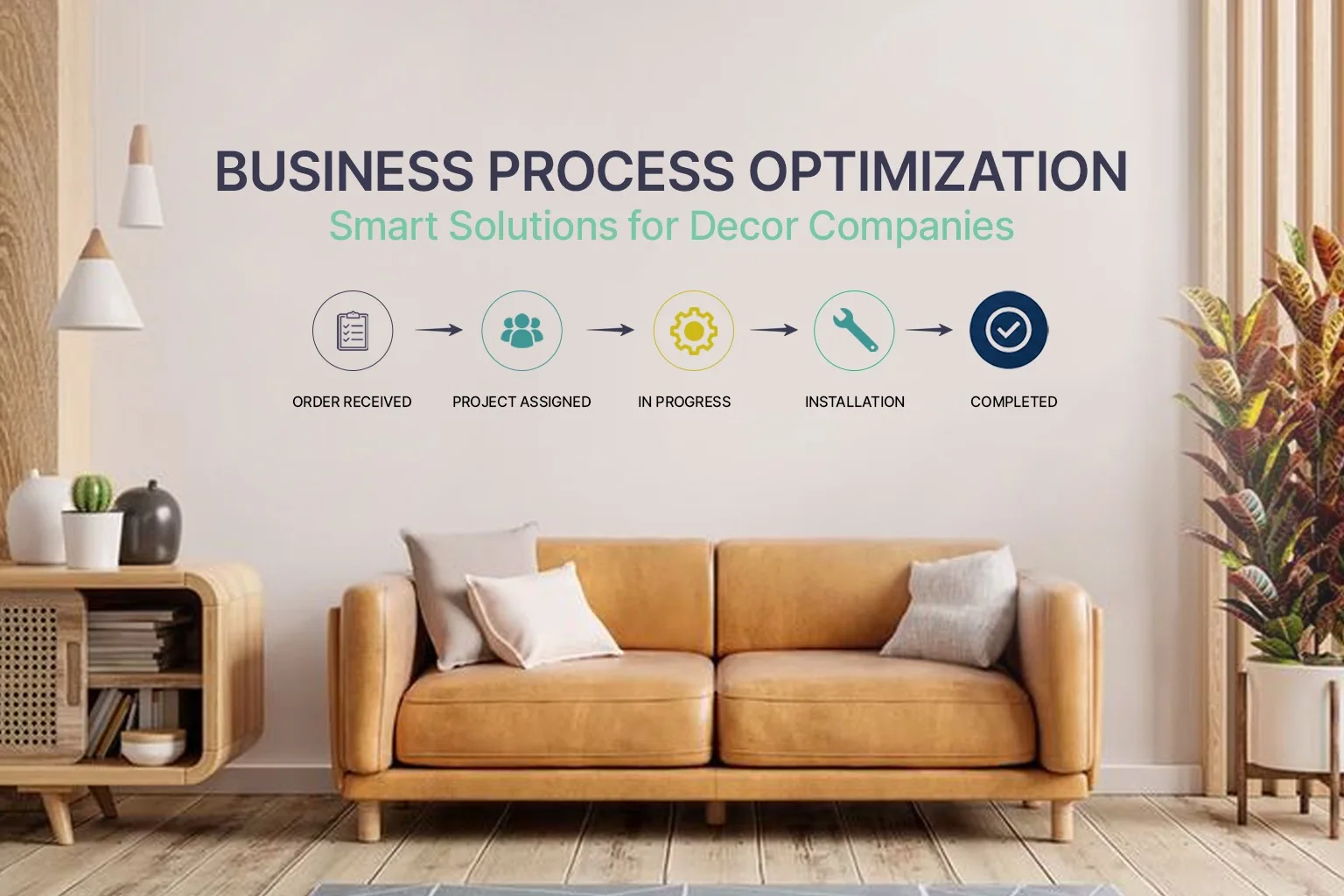
In Saudi Arabia and the GCC, the decor industry is growing rapidly, and customer expectations are higher than ever before. High-quality products alone are no longer enough to stand out. Efficient business processes are what differentiate companies that can deliver fast, reliable, and seamless services. Any delay or lack of follow-up can lead to frustrated customers, lost opportunities, and reduced profitability.
Business Process Optimization (BPO) has become a strategic necessity for decor companies aiming to improve operational efficiency, enhance customer satisfaction, and achieve sustainable growth. In this guide, we explore what business process optimization is, why it matters, practical strategies, tools, and frameworks, using real-life examples from the decor sector.
What is Business Process Optimization?
Business Process Optimization (BPO) is the practice of analyzing, redesigning, and managing workflows to increase efficiency, reduce costs, and improve service quality.
Unlike simple automation or minor adjustments, BPO is a holistic approach that transforms unorganized processes into measurable, manageable, and continuously improving systems.
Steps in Business Process Optimization
- Map Current Processes: Document every step from purchase to project completion, including responsibilities and critical touchpoints.
- Analyze Performance: Measure time spent at each stage, common errors, and customer satisfaction levels.
- Identify Improvement Opportunities: Determine where delays, bottlenecks, or weak follow-ups occur and create practical solutions.
- Implement Changes: Use project management tools to automate task assignment, schedule appointments, and track progress.
- Monitor and Continuously Improve: Track performance post-implementation and adjust workflows to sustain efficiency.
Practical Example:
A decor company previously assigned installation projects manually with no follow-up. By implementing a digital project management system, they were able to track every project from assignment to completion, significantly reducing delays and improving customer satisfaction.
Why is Process Optimization Important?
Optimizing business processes has a direct impact on both operations and profitability:
1. Faster Service Delivery
Efficient processes allow customers to receive appointments and installations faster, reducing wait times.
2. Improved Customer Experience
Tracking every stage from project assignment to completion minimizes errors and ensures a smooth, professional service.
3. Higher Operational Efficiency
Organized project assignments and partner follow-ups guarantee that projects are completed on time and to a high standard.
4. Data-Driven Decision Making
Accurate project data helps management make informed decisions rather than relying on assumptions or experience alone.
Process Optimization Strategies for Decor Companies
Effective process optimization strategies tailored for the Saudi and GCC markets include:
1. Standardizing Project Assignment
Shift from manual assignment to a centralized system that automatically allocates projects to the right partners based on predefined criteria.
2. Digital Project Management
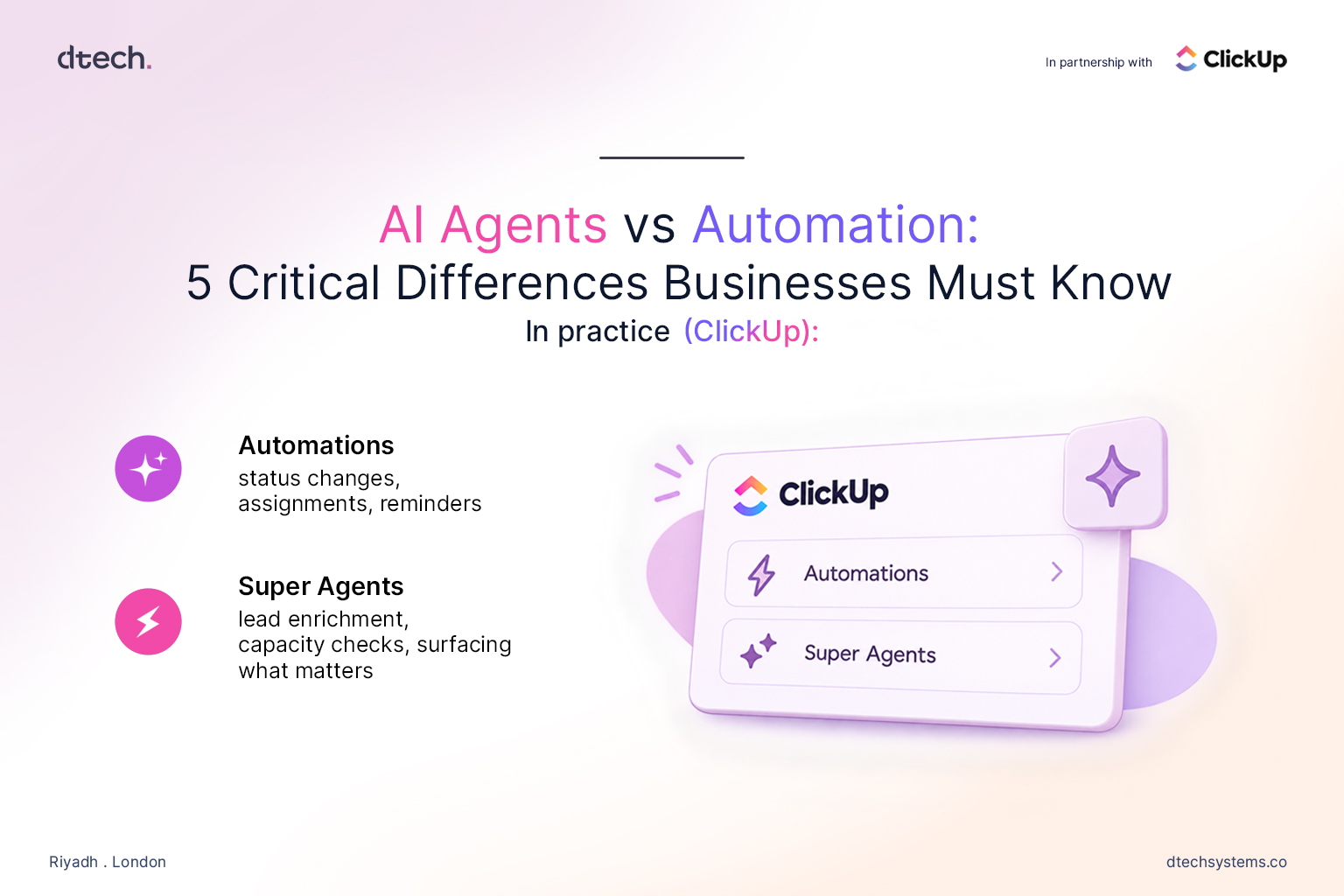
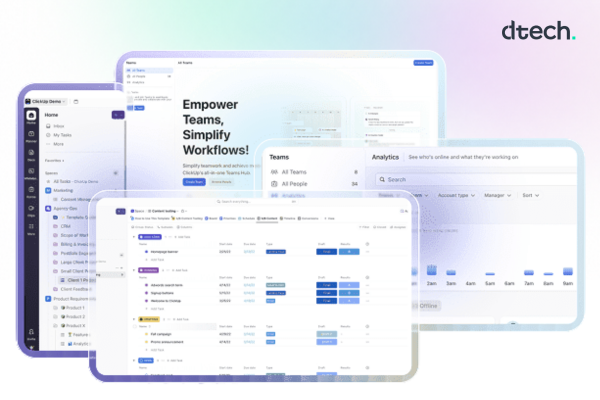
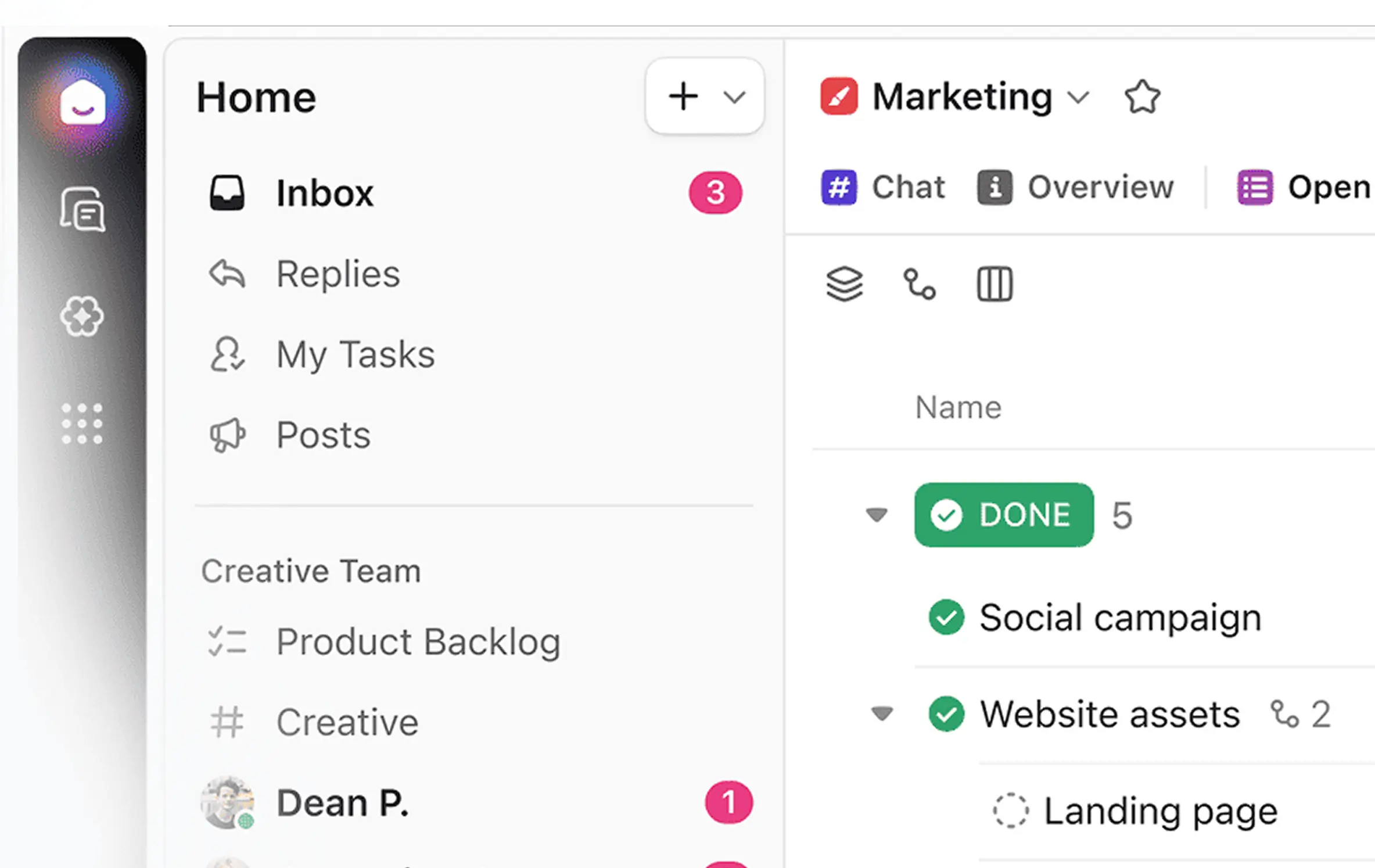
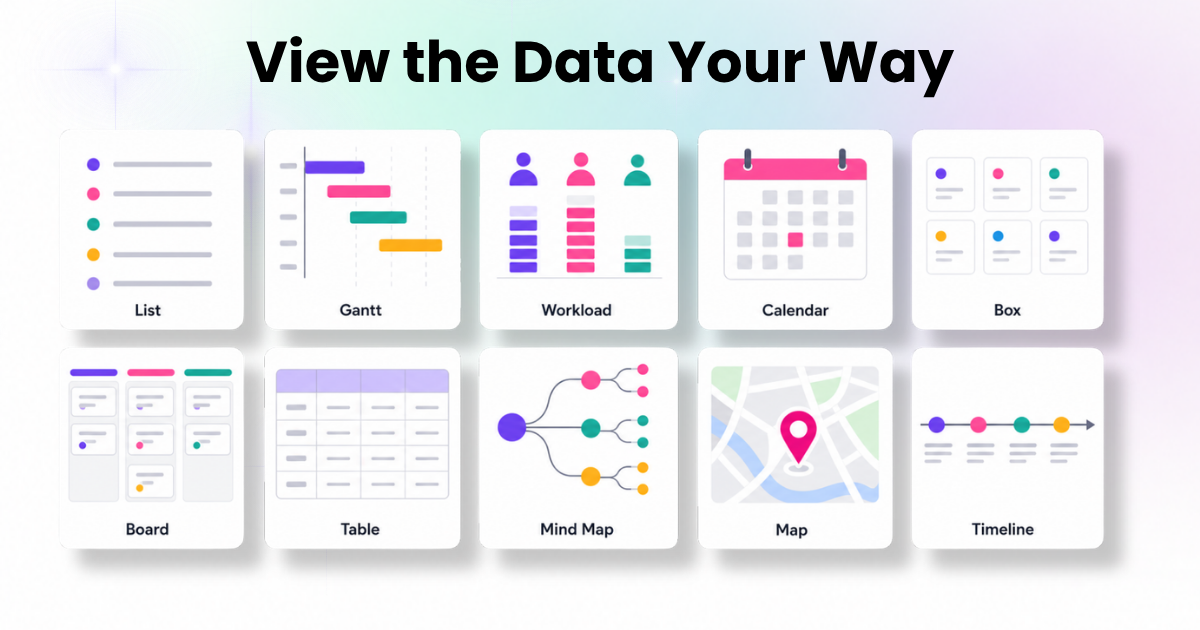
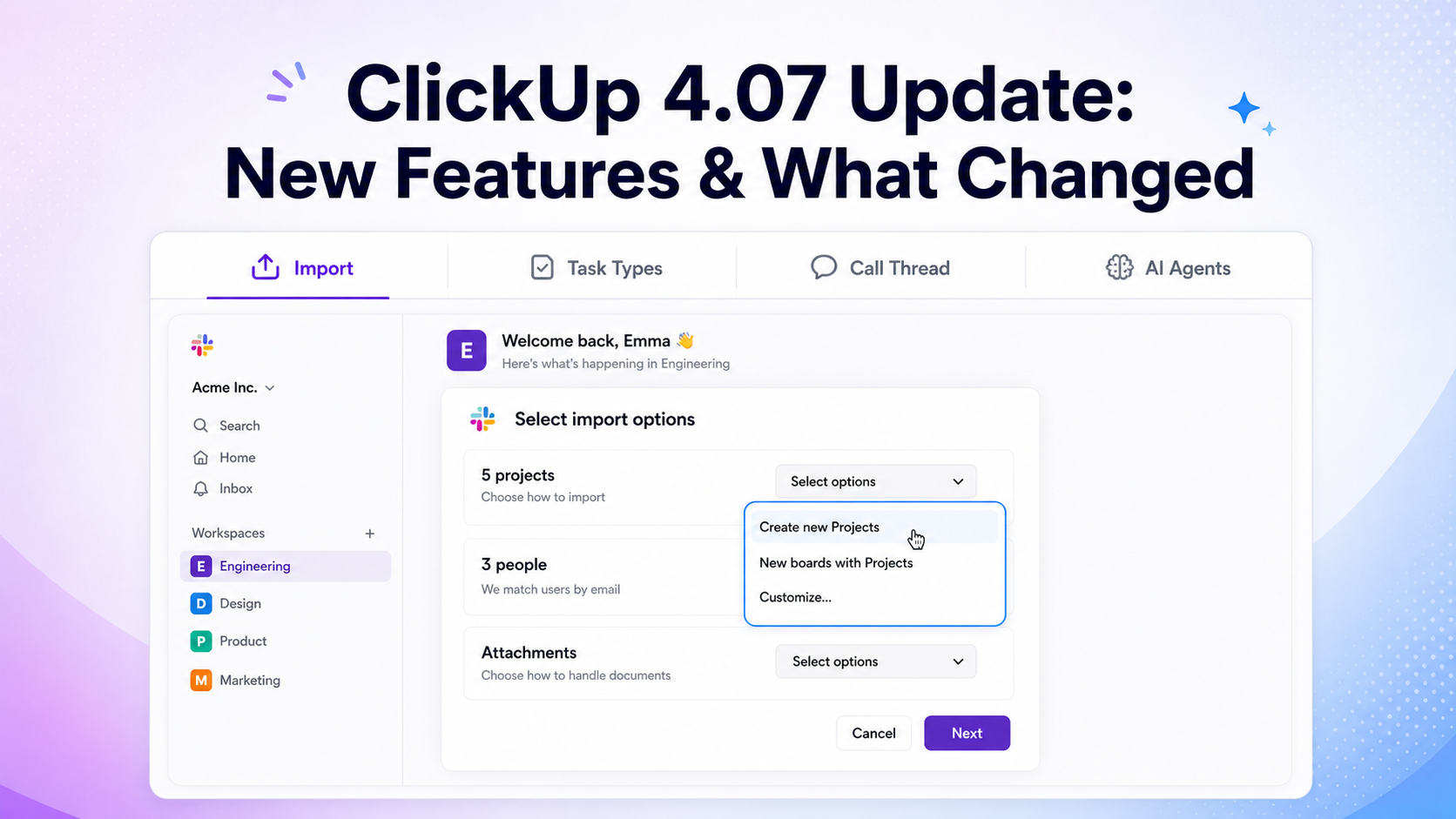
Using tools like ClickUp to manage projects end-to-end:
- Record client orders.
- Schedule installation appointments.
- Track progress from start to finish.
3. Partner Monitoring and Issue Tracking
Enable management to:
- Track delays and bottlenecks.
- Identify challenges faced by partners.
- Take corrective action before impacting the client.
4. Performance Measurement
Key performance indicators (KPIs) include:
- Assignment time.
- Client waiting time.
- Installation speed.
- Quality of follow-up.
Business Process Optimization Tools
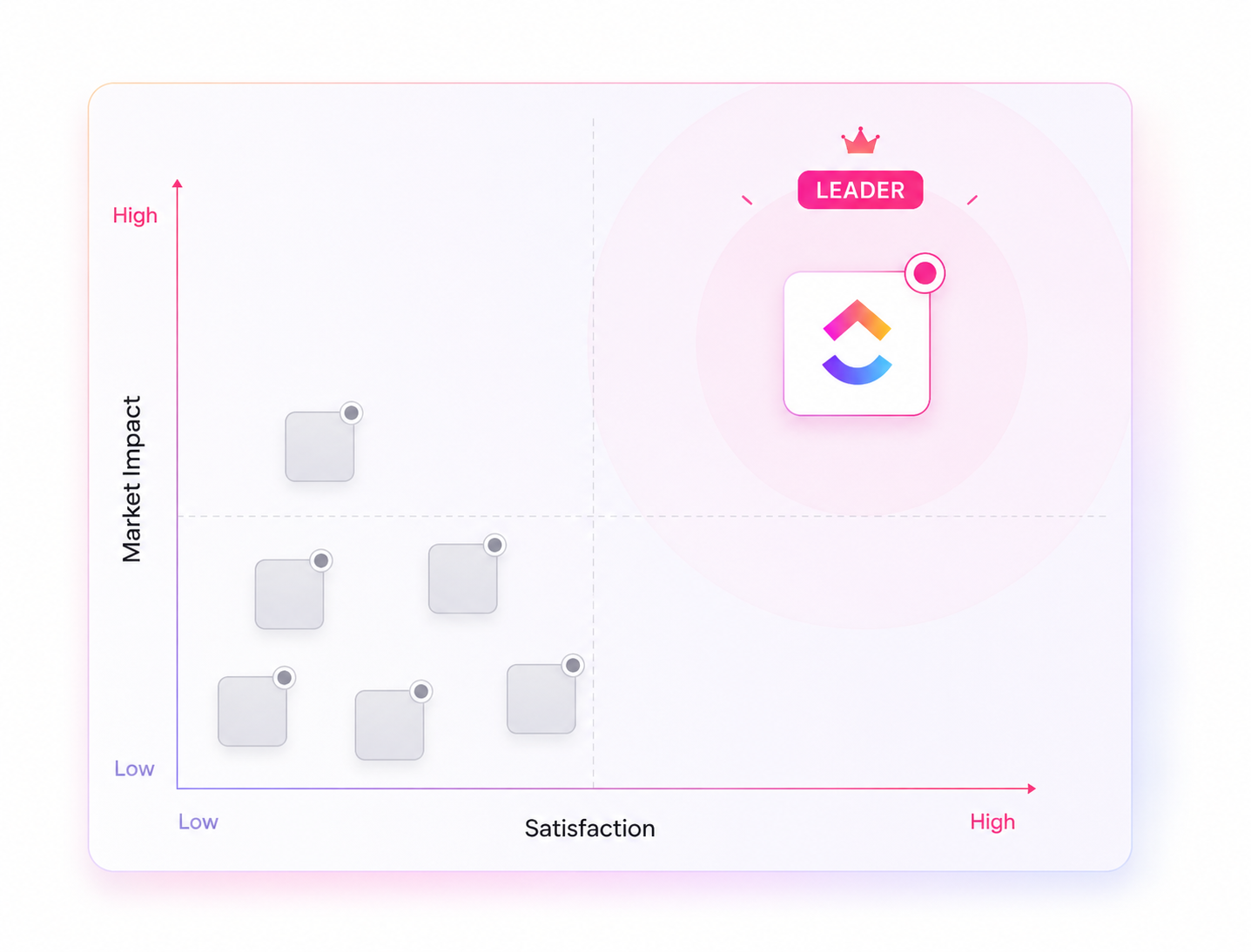
Selecting the right tool accelerates optimization and ensures sustainability. ClickUp has proven highly effective for managing decor projects from assignment to completion.
ClickUp Key Features:
- Track every project in detail.
- Automatic notifications and alerts to prevent delays.
- Manage partners and schedules efficiently.
- Generate performance reports for decision-making.
Additional tools depending on growth:
- Microsoft Power BI for data analysis.
- Asana or Monday.com for multi-team project management.
Business Process Optimization Frameworks for Decor Companies
Several frameworks can be applied depending on company needs:
1. Lean (Waste Reduction)
- Minimize unnecessary steps.
- Speed up processes while maintaining quality.
2. Kaizen (Continuous Improvement)
- Implement small, frequent improvements.
- Involve all employees in problem-solving.
3. BPM Lifecycle
- Follow iterative phases: Design → Execute → Monitor → Optimize.
Practical Example:
By combining Lean and Kaizen, the company reduced assignment times and responded faster to clients, while BPM allowed full project visibility and better decision-making.
Results Achieved
After implementing BPO strategies and using digital project management, the company achieved:
- Significantly faster project assignment
- Reduced client waiting times
- Higher service delivery speed
- Clear project tracking and visibility
- Improved coordination with partners
Practical Steps to Start BPO in Decor Companies
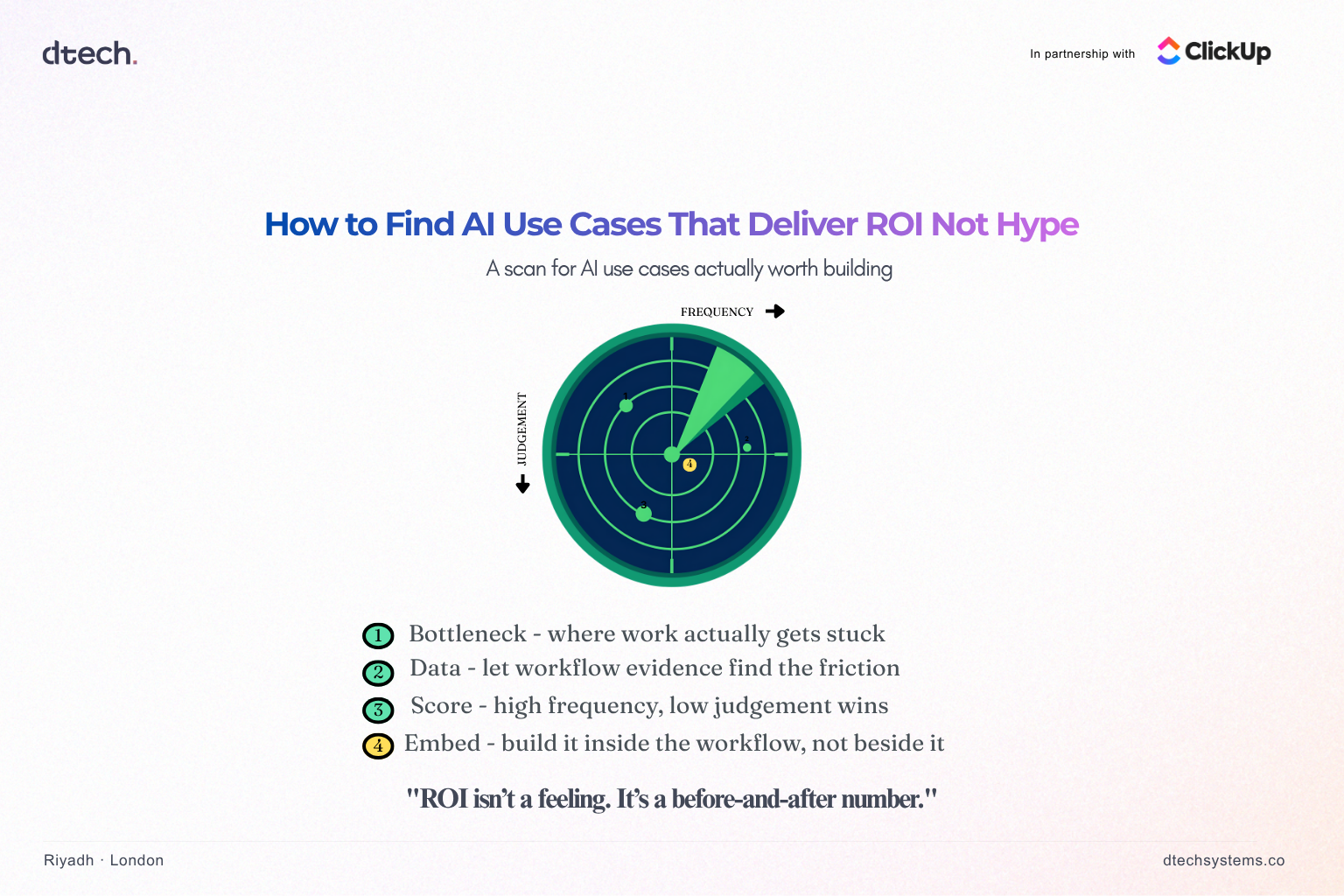
- Identify the most critical process affecting customer experience, e.g., project assignment and installation.
- Map the current workflow to find delays and inefficiencies.
- Replace manual processes with digital tools for assignment and follow-up.
- Monitor performance and analyze data for further improvements.
- Scale improvements gradually across all projects and partners.
Start Your Business Process Optimization Journey Today
In the decor industry across Saudi Arabia and the GCC, speed, accuracy, and follow-up distinguish successful companies from the rest. Process optimization is not just internal organization; it is a strategic approach to improve customer satisfaction, increase profits, and achieve sustainable growth.
Start with one process today, track your results, and expand improvements gradually. Every small step in business process optimization brings your company closer to operational excellence and a superior customer experience.